Explore + Learn
The world the text came out of
Follow the people, walk the places, trace the journeys and see where the historical and archaeological record supports, complicates or simply cannot settle the question.
Explore by
Global map
Sites, churches and routes worldwide
People
Prophets, kings, apostles, witnesses
Places
Cities, regions and landscapes
Journeys
Routes traced stop by stop
Timeline
From origins to the apostolic age
History
Empires, periods and evidence
Archaeology
Discoveries and what they show
Questions
Where the evidence is contested
Guided paths
Multi-session learning routes
People
All people
Jesus
Teacher from Nazareth
Paul
Apostle and letter-writer
Moses
Prophet and lawgiver
David
Shepherd, poet, king
Mary
Mother of Jesus
Mary Magdalene
Disciple and first witness

Peter
Fisherman and apostle
Abraham
Patriarch
Sarah
Matriarch
Joseph
Dreamer in Egypt
Places
All places

Journeys
All journeysHistorical periods
All periods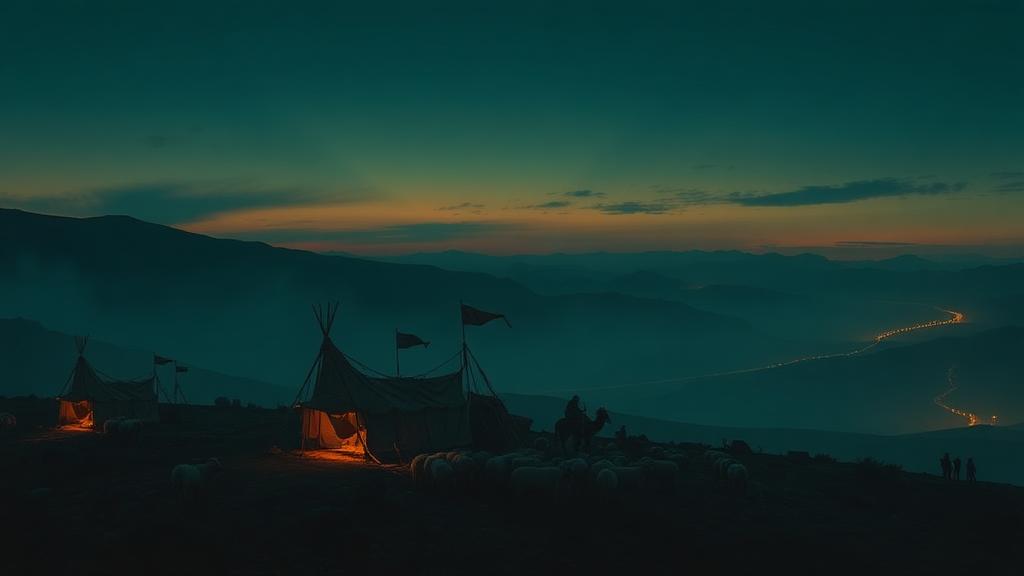
The Patriarchal Age
The Genesis narratives of Abraham, Isaac, Jacob and Joseph, set among Middle Bronze Age migration between Mesopotamia, Canaan and Egypt.
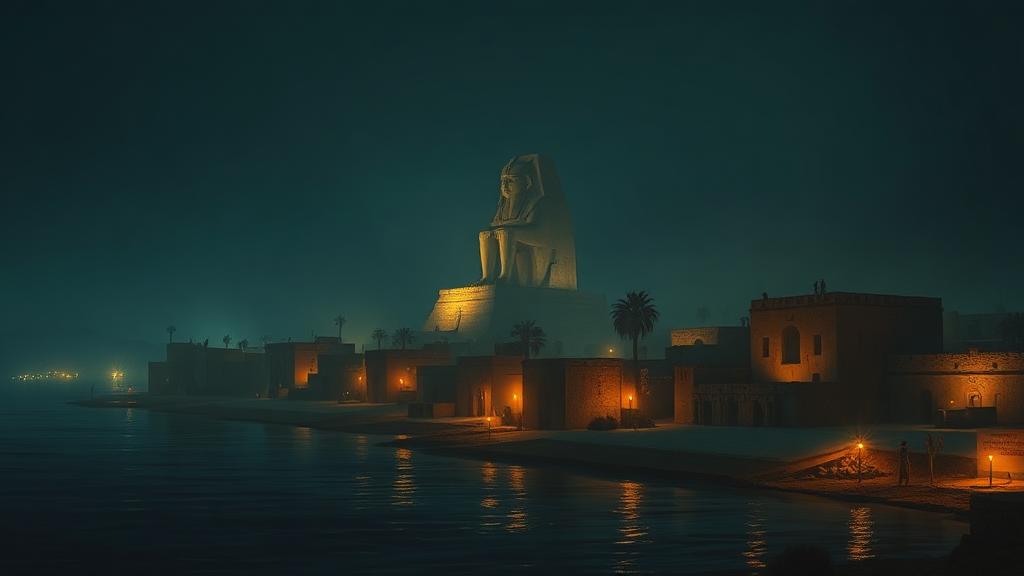
Egypt & the Exodus
Slavery in Egypt, the departure narrative and the Sinai covenant, set against the Egyptian New Kingdom.
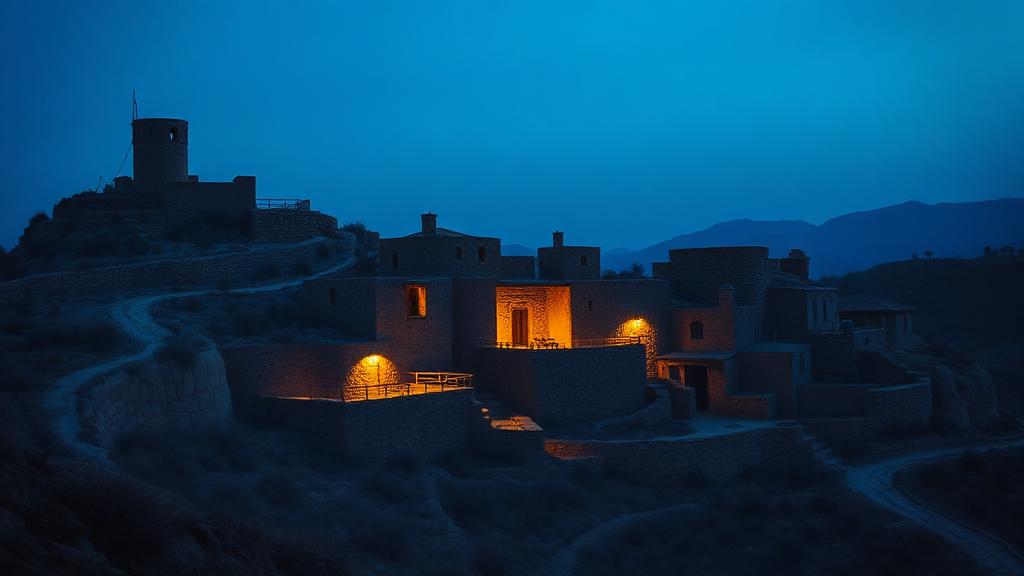
Settlement & Judges
Israel appears as village culture in the Canaanite highlands during the collapse of the Late Bronze Age world.
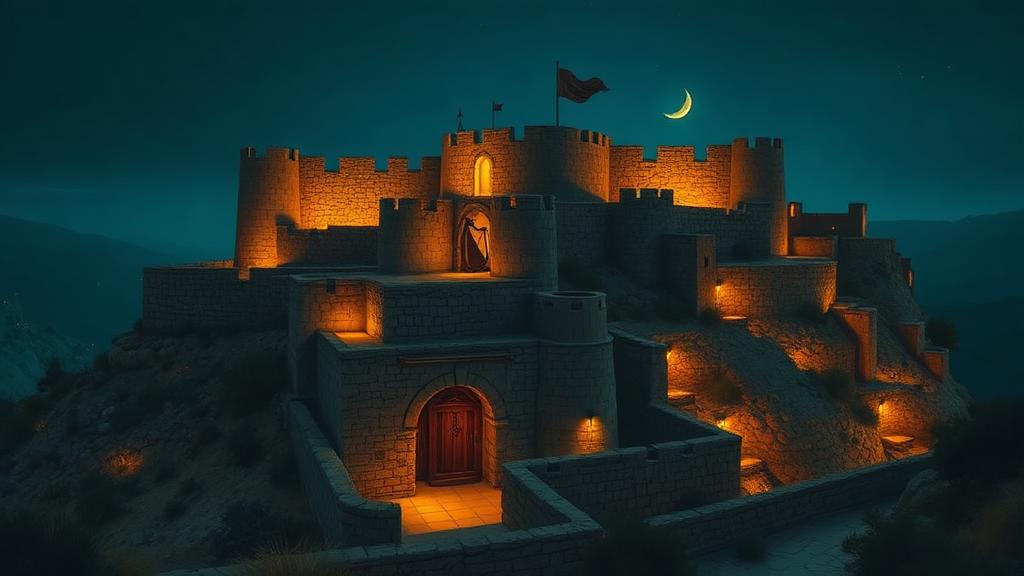
The United Monarchy
Saul, David and Solomon, and the establishment of Jerusalem as a political and cultic centre.
The Divided Kingdom
Israel in the north and Judah in the south, the writing prophets, and pressure from Assyria then Babylon.
Exile in Babylon
Jerusalem and the temple are destroyed and the Judean elite deported; much of the Hebrew Bible takes shape in response.
The Second Temple Period
Return under Persia, Hellenistic rule, the Maccabean revolt, Roman annexation and the destruction of the temple.
The World of Jesus
Roman Judea and Galilee under client rulers and prefects: the political and religious setting of the gospels.

The Early Church
A Jewish movement spreading through the cities of the Roman east, producing letters and then gospels.
Archaeology on film
All videoDiscoveries
All discoveriesDead Sea Scrolls
Around 1,000 manuscripts including biblical, sectarian and apocryphal texts in Hebrew, Aramaic and Greek.
Tel Dan Stele
A fragmentary Aramaic victory inscription referring to the 'House of David'.
Pilate Stone
A limestone block naming Pontius Pilatus, prefect of Judea.
Hezekiah's Tunnel
A 533-metre water tunnel cut through bedrock to the Pool of Siloam.
Siloam Inscription
A Paleo-Hebrew inscription describing the moment two digging teams met.
Ketef Hinnom Scrolls
Two tiny silver amulets inscribed with a version of the priestly blessing.
Second Temple Archaeology
Herodian street levels, ritual baths, ashlar masonry and the Trumpeting Place inscription.
Ancient Jericho
One of the world's longest-excavated tells, with Neolithic through Iron Age layers.
Galilee Boat
A first-century wooden fishing boat preserved in lake mud.
Pool of Siloam
A monumental stepped pool from the Second Temple period, uncovered during repairs.
Questions worth exploring
All questionsWhere was Eden?
Genesis 2 names four rivers, two of which are identifiable. Every proposed location depends on how literally the geography is read.
Did Noah's Flood happen?
Flood narratives are widespread in ancient Mesopotamian literature. Scholars differ sharply on whether the biblical account reflects a regional event, a literary tradition, or both.
Where is Mount Sinai?
No identification commands consensus. Traditional, northern-Arabian and Negev candidates each have advocates.
Who wrote Genesis?
Traditionally attributed to Moses; most critical scholarship reads it as a composite of earlier sources edited over centuries.
What happened to the Ark of the Covenant?
The Hebrew Bible stops mentioning the ark after the monarchy. Every later account is tradition or speculation.
Who were the Nephilim?
Genesis 6 mentions them in three dense verses; interpretation has varied enormously since antiquity.
What are the Dead Sea Scrolls?
Roughly 1,000 manuscripts found near Qumran from 1947 onward, including the oldest known copies of Hebrew Bible books.
What language did Jesus speak?
Aramaic was the everyday language of first-century Galilee, with Hebrew in scriptural settings and some Greek in trade.
What did Jesus likely look like historically?
There is no physical description in the gospels. Reconstructions rely on skeletal and artistic evidence from first-century Judea.
Why are there different Bible translations?
Translations differ over manuscript base, translation philosophy, and target readability.
Guided paths
All pathsMeet Jesus
Six sessions through the gospels, from Galilee to the empty tomb.
Bible in 30 Days
A structural tour of all 66 books with video overviews.
The Story of David
Shepherd, fugitive, king — and the archaeology around him.
Understanding Revelation
Genre, empire and the major interpretive traditions.
The Historical Jesus
What historical method can and cannot establish.
Evidence & Archaeology
Ten discoveries and what they actually show.
New to the Bible
Start here: what this library is and how to move through it.
Bible for Skeptics
Honest questions, scholarly disagreement, no pressure.