Explore + Learn
Questions
Each question carries an evidence label so you can see the difference between something attested, something reconstructed and something genuinely disputed.
Where was Eden?
Genesis 2 names four rivers, two of which are identifiable. Every proposed location depends on how literally the geography is read.
Did Noah's Flood happen?
Flood narratives are widespread in ancient Mesopotamian literature. Scholars differ sharply on whether the biblical account reflects a regional event, a literary tradition, or both.
Where is Mount Sinai?
No identification commands consensus. Traditional, northern-Arabian and Negev candidates each have advocates.
Who wrote Genesis?
Traditionally attributed to Moses; most critical scholarship reads it as a composite of earlier sources edited over centuries.
What happened to the Ark of the Covenant?
The Hebrew Bible stops mentioning the ark after the monarchy. Every later account is tradition or speculation.
Who were the Nephilim?
Genesis 6 mentions them in three dense verses; interpretation has varied enormously since antiquity.
What are the Dead Sea Scrolls?
Roughly 1,000 manuscripts found near Qumran from 1947 onward, including the oldest known copies of Hebrew Bible books.
What language did Jesus speak?
Aramaic was the everyday language of first-century Galilee, with Hebrew in scriptural settings and some Greek in trade.
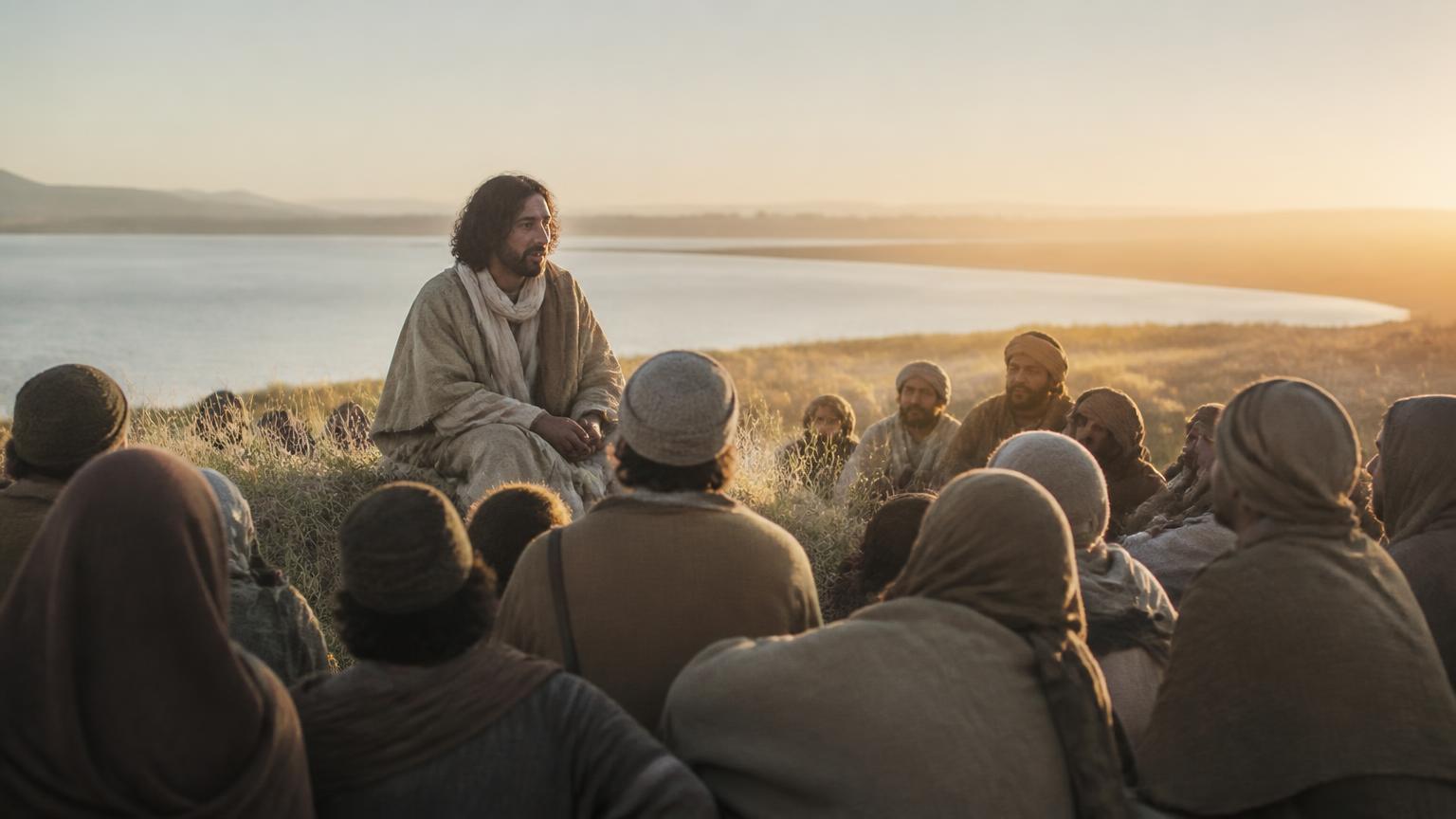
What did Jesus likely look like historically?
There is no physical description in the gospels. Reconstructions rely on skeletal and artistic evidence from first-century Judea.
Why are there different Bible translations?
Translations differ over manuscript base, translation philosophy, and target readability.
How was the biblical canon formed?
A long process of use, dispute and consolidation rather than a single decisive moment.
What is Revelation describing?
Apocalyptic literature written to specific first-century churches, read very differently across traditions.
Who wrote the Gospels?
The four gospels circulate anonymously; the traditional names appear in second-century attributions.
Did the Exodus happen?
One of the most debated questions in biblical studies, with positions ranging from a large-scale event to a small formative migration retold nationally.
What archaeological evidence relates to Pontius Pilate?
The Pilate Stone from Caesarea names him as prefect of Judea; coins and a possible ring add further material context.
Why are Matthew and Luke's genealogies different?
The two lists diverge substantially between David and Joseph.
Was there a historical King David?
The Tel Dan Stele's reference to the 'House of David' is the key extra-biblical datum.
What happened at the Tower of Babel?
A short narrative often read against Mesopotamian ziggurat building.
Where was Jesus born?
Matthew and Luke both name Bethlehem; some scholars argue Nazareth on other grounds.
What is the Kingdom of Heaven?
Central to Jesus' teaching in Matthew, and read variously as present reality, future hope, or both.
How reliable are New Testament manuscripts?
The New Testament has an unusually large manuscript tradition; scholars weigh quantity against variation.
Did Solomon's Temple exist?
No direct remains have been excavated; the Temple Mount is inaccessible to archaeology.
What is the Documentary Hypothesis?
A family of theories explaining the Torah's composition from multiple earlier sources.
Who were the Philistines?
Material culture at Ashkelon and Gath links them to Aegean migration in the early Iron Age.
What is the Q source?
A hypothesised collection of sayings used by Matthew and Luke.